Courtyard infill: unlocking hidden capacity within NHS estates
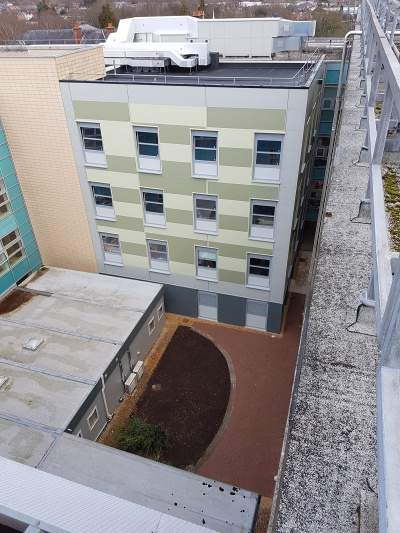
Hospital estates are often shaped by historical layout rather than modern clinical need, and courtyards incorporated in the design of many of the older hospital buildings can provide a significant untapped resource. As NHS estates face increasing pressure to expand within fixed boundaries, courtyard infill is emerging as a strategic way of utilising space.
By developing these spaces, organisations can create new clinical, diagnostic or support environments at the very heart of their estates.
Courtyard infill allows development within the existing building envelope, reducing planning complexity and limiting visual impact. It delivers space in highly connected locations, can improve patient flow, staff efficiency, and service integration. From an estate perspective, it also aligns strongly with value-for-money principles - maximising existing assets rather than expanding site boundaries.
However, these courtyard infill projects always need to be carefully considered. Developing these outdoor spaces, which have been incorporated into the design of many NHS healthcare estates, loses unique external areas that support staff and patient wellbeing - often providing quiet gardens or play areas.
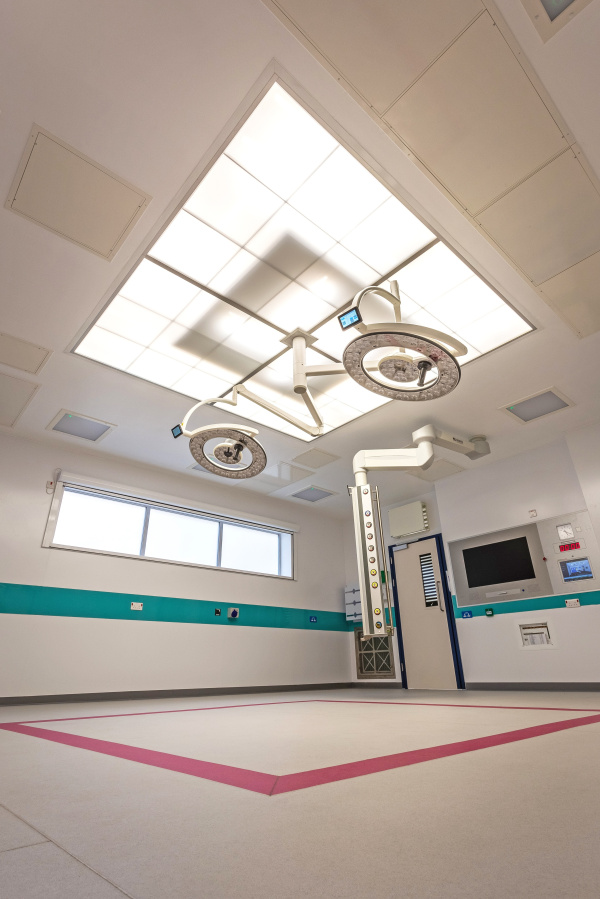
Our previous experience of these projects demonstrates how these underutilised spaces can be transformed into high-performing environments and clinic bays that strengthen the operational core of a hospital. However, courtyard infill isn’t always straightforward as these spaces often play an important role in daylight, ventilation and wayfinding, particularly within deep-plan hospital buildings. Any intervention must carefully balance the creation of new space against the quality of the existing environment, ensuring that natural light, air movement, and patient flow are not compromised.
Structurally, integrating new construction into existing buildings requires detailed understanding of load paths, fire strategies and services coordination. Meanwhile, construction itself takes place in a challenging environment – in the middle of live hospital operations, where access is often challenging due to the courtyard space being enclosed.
Managing noise, vibration, infection risk and logistics requires meticulous planning and close collaboration between estates teams, clinicians and delivery partners. Phased approaches and temporary arrangements are often essential to maintaining continuity of care.
Despite these challenges, courtyard infill represents an efficient and sustainable ways to grow constrained estates. When approached thoughtfully, it allows hospitals to extend the life of existing assets.