Nucleus Hospitals
RAAC: Understanding the risk and knowing what to look for
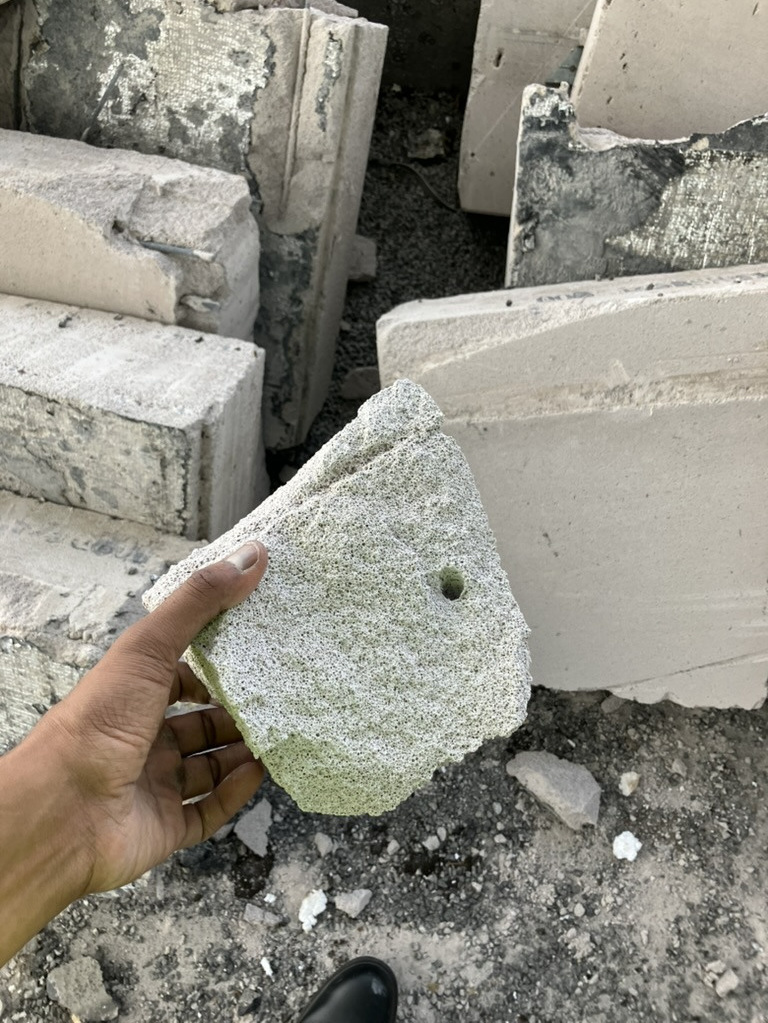
Reinforced Autoclaved Aerated Concrete (RAAC) continues to be a key focus across the built environment. It has an internal appearance and texture reminiscent of an aero chocolate bar. This material was commonly used in public buildings across England from the 1950s to the mid-1990s, but recently there has been huge national concern regarding RAAC. There have been well-documented cases of sudden failure without visible warning, so it now presents a risk across ageing estates.
The challenge is not just identifying RAAC but understanding its condition and risk profile. In line with current estates guidance, early-stage assessments typically focus on:
Where to look: RAAC is commonly found in roofs, floors, and occasionally walls - often hidden above suspended ceilings or within voids.
What it looks like: Panels are usually lightweight, pale grey/white, with a distinctive aerated (“bubbly”) texture and often span between beams or walls.
Key warning signs:
Cracking, especially near supports
Sagging or deflection
Water ingress or staining
Evidence of cut or altered panels
These can all indicate deterioration and increased risk.
Risk factors to consider
Added loads from services or plant
Poor bearing or support conditions
High humidity or historic leaks
Hidden installations limiting inspection access
A structured approach - starting with information gathering and visual inspection, followed by specialist structural assessment where required - is critical to developing an effective management strategy.
At KK we are supporting clients with targeted surveys, risk-based assessments and practical mitigation strategies.
RAAC is not inherently unsafe when understood and managed - but it does require informed, proactive intervention.