Creating a new gym for UCL
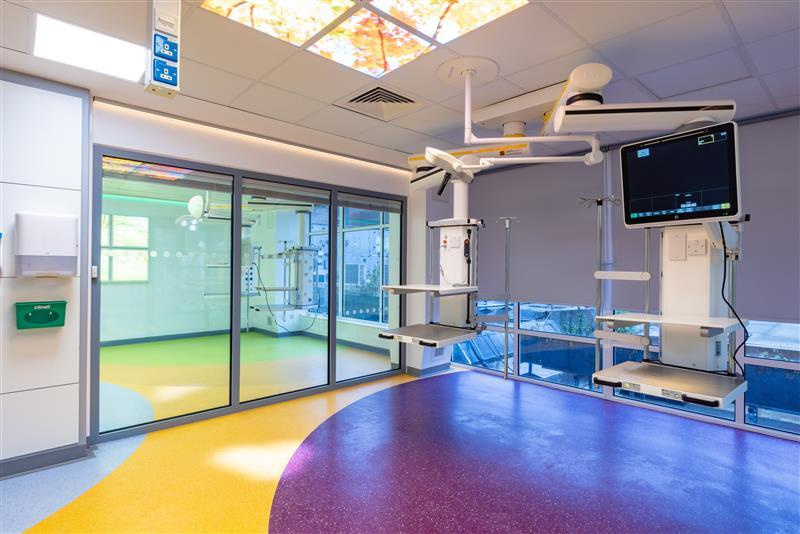
After decades working alongside NHS teams, one thing has become clear: healthcare environments must evolve faster and more intelligently than ever before. The pressures shaping our hospitals technological change, new care models and the realities of Net Zero are no longer distant considerations they are immediate design drivers, and they demand a more strategic, more collaborative approach.
Designing for what’s next
Technology is advancing at a pace that challenges even the most modern estates. Digital diagnostics, robotics, virtual wards and remote monitoring are all increasing electrical and data demands. Yet the exact technologies a hospital will rely on ten years from now are rarely known at project outset. The only responsible response is flexibility: designing infrastructure that can expand, adapt and absorb innovation without costly disruption.
This thinking guided our approach on a recent electrical risers project where we purposely designed in capacity for future panel boards and cable ways. It was a simple intervention with significant long-term impact supporting clinical growth and avoiding the need for invasive future works.
Getting this right requires early, meaningful engagement with the Electrical AE, IT, clinical teams and estates teams. Their insight can shape decisions to help them stand the test of time.
Building a low carbon future
Net Zero adds another layer of responsibility - we cannot wait for perfect conditions; we must design solutions that work today while preparing for a low carbon future. A recent operational energy building we delivered is “Net Zero enabled” - able to transition seamlessly once the wider infrastructure is ready. It strikes the balance NHS Trusts are increasingly seeking - meeting urgent clinical need while building toward long term sustainability.
We are also seeing care models change fundamentally. More community based services, more virtual wards and shorter inpatient stays require spaces that can shift with demand. Our role extends beyond architecture, it is about helping Trusts navigate uncertainty with confidence, making decisions today that support patients, staff and communities now and in the future.