Creating a new gym for UCL
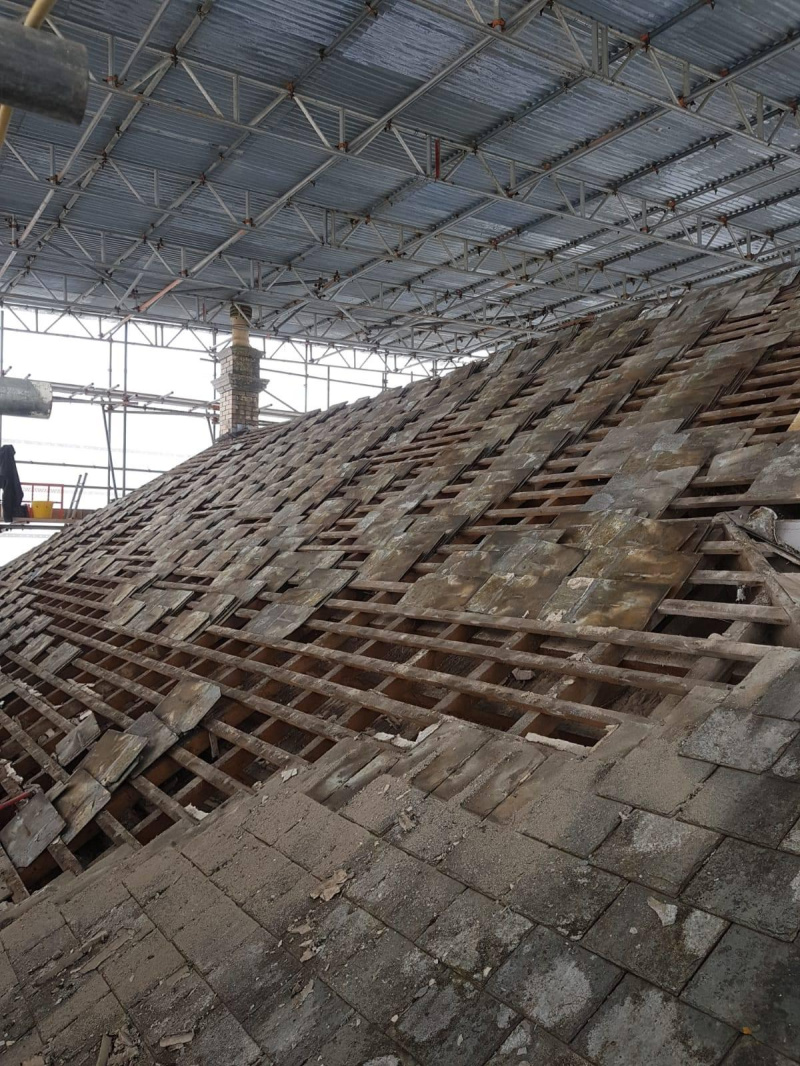
Roofing is a frequent and disruptive project in school estates, especially where buildings vary widely in age and construction type. Many schools need flat felt, slate or tile replacements, or conversions to standing-seam metal systems. All this must happen during a short summer break, placing significant programme pressure on contractors and school leaders alike.
Transforming Nexus School
Delivering the damp remediation works at this Camborne School presented a set of complex technical challenges that demanded careful sequencing, robust temporary protection strategies, and close coordination across trades. The building was a two storey early 1900s granite structure, which had been vacant for many years and had suffered severe damp penetration through the solid external walls, leaving internal finishes saturated and extensively damaged.
From the start, it was clear that simply addressing surface level symptoms would not be sufficient. The programme required a comprehensive approach that tackled both the underlying causes of water ingress and the significant deterioration that had occurred over time. This involved steam cleaning the external granite walls, re‑roofing both pitched and flat areas, replacing all rainwater goods, undertaking extensive re‑pointing, installing an insulated dry lining system, overhauling windows, upgrading WC areas, improving lighting and fire alarm systems, and completing full internal and external redecoration.
One of the primary challenges was managing the interface between roofing works, masonry repairs and internal remedial activities. Given the building’s age and substrate variability, uncovering hidden defects during strip‑out was unavoidable and the team had to adapt quickly as unknowns emerged. Wet weather also posed a constant risk, making temporary protection critical particularly during roof replacement and while internal finishes remained exposed. Careful sequencing and phasing of the works ensured that trades could work safely and productively without compromising completed works.
Despite these constraints and unexpected issues, the team maintained strong communication between the design disciplines, contractors and client, ensuring decisions were timely and aligned with the project’s technical demands while always maintaining quality and compliance. The result is a fully refurbished, fit‑for‑purpose specialist teaching facility that demonstrates how coordinated planning, technical expertise, and resilient site management can successfully bring historic buildings back into educational use.