Nucleus Hospitals
Boundary walls are often assumed to be simple: if a wall appears to sit on one side of a boundary, it must belong to that owner. In reality, that assumption is not always correct. Under the Party Wall etc. Act 1996, boundary walls can raise complex ownership and legal issues, particularly where buildings are historic or have been altered.
The Act applies where works affect an existing party structure, involve building on a boundary, or include excavations close to neighbouring property. Boundary walls often fall into the first category, but ownership is not determined by appearance alone. Land Registry plans are indicative only, and boundaries can run through the thickness of a wall rather than along its face.
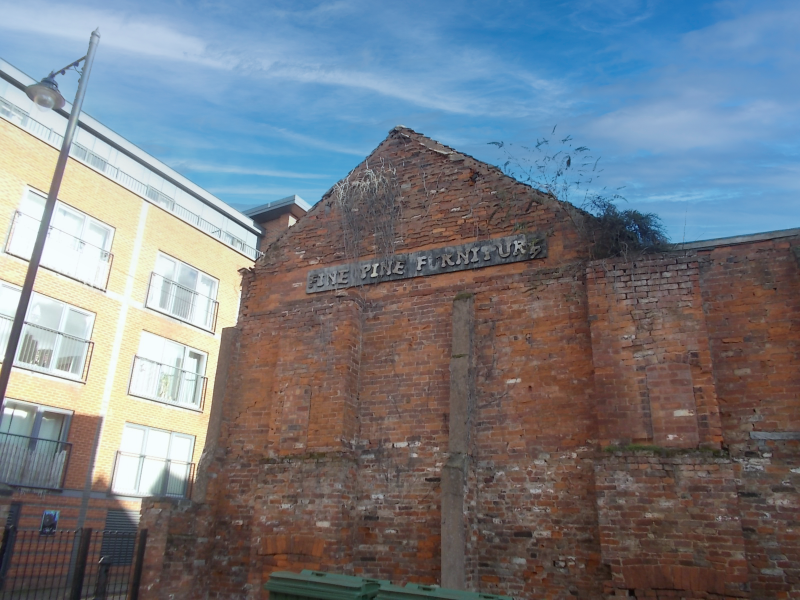
This was highlighted on a redevelopment project involving a derelict end of terrace building. What appeared to be a simple side elevation wall was revealed, on closer inspection, to contain exposed chimney breasts and flues. These historic features showed that the wall had once served two properties and therefore remained a party structure, despite the adjoining building having been demolished.
As a result, the boundary was deemed to lie within the wall itself. The original notice served was insufficient, further party wall procedures were required, and the proposed design had to be amended to avoid building on land not owned by the developer. In practical terms, this meant pulling the new external wall line back to remain wholly within the building owner’s land.
Visual assumptions about boundary walls are not always reliable. Historic construction details can change a wall’s legal status, and early identification of party structures is essential. Addressing these issues at the outset can prevent delays, redesign costs and disputes, helping projects proceed smoothly and compliantly.
Kendall Kingscott can provide expertise on boundary walls, including advice and support on crane oversail licences.